The Irresistible Appeal of Jamaican Food Classics
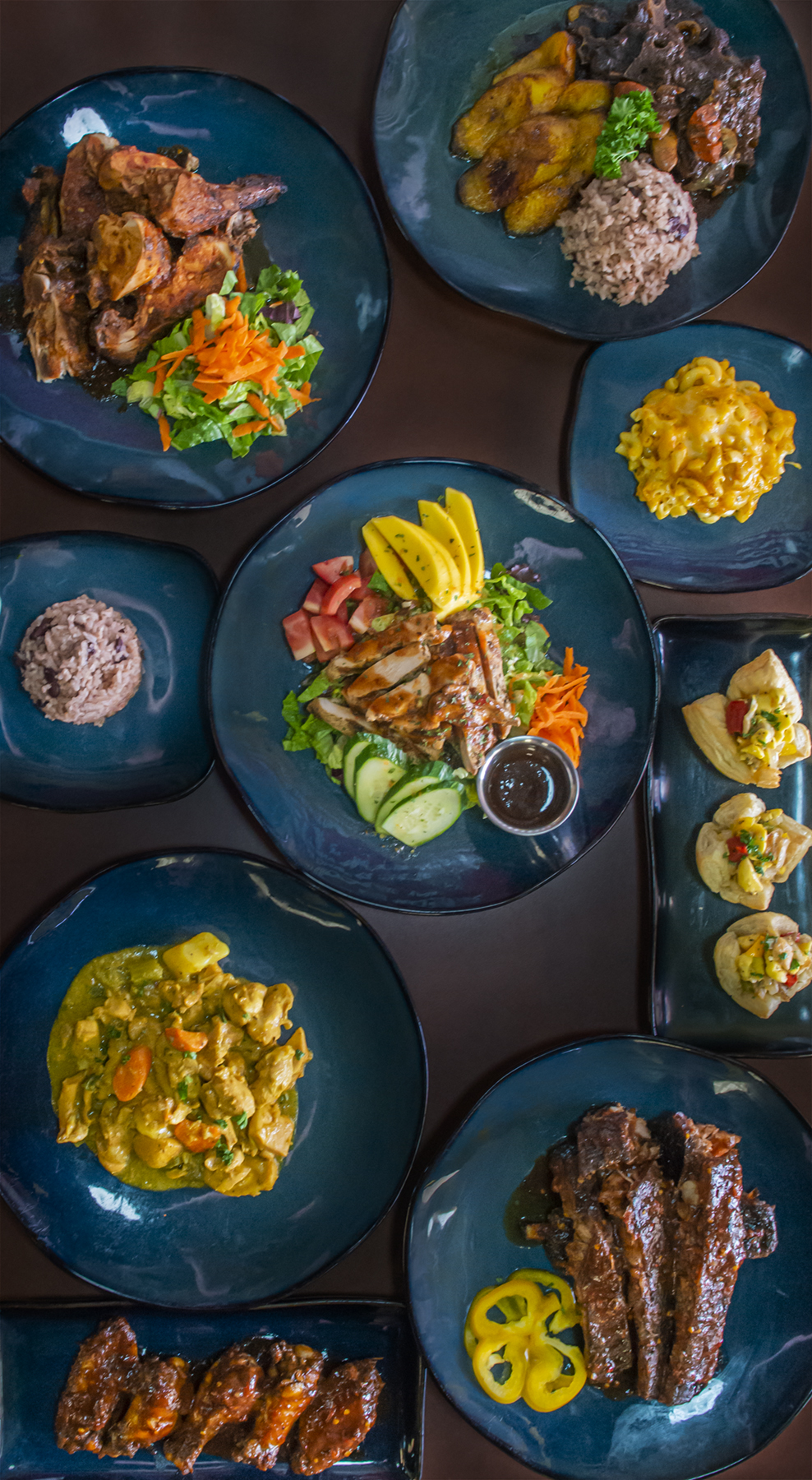

Jamaican food has a way of announcing itself before it reaches the table. You smell the allspice first, then the smoke, then the Scotch bonnet heat that sits in the air like a warning and an invitation at once. Few cuisines carry such a strong sense of place. A plate of jerk chicken, a bowl of pepper pot soup, or a side of rice and peas can tell you something about climate, trade, migration, thrift, celebration, and memory, all without sounding academic. That is part of the appeal. Jamaican cooking is deeply flavorful, but it is also deeply legible. You can taste where it came from.
What makes the classics so compelling is not simply bold seasoning, though they certainly have that. It is the balance between intensity and comfort. Jamaican dishes often deliver fire, sweetness, smoke, salt, acid, and richness in the same bite, yet they rarely feel chaotic. The best versions are confident and grounded. They are built on technique, patience, and a close understanding of ingredients that thrive in the Caribbean, from scallions and thyme to pimento berries, callaloo, cassava, and breadfruit.
Spend any serious time around good Jamaican cooks and you notice something else. These dishes are rarely treated as museum pieces. They are classics because they live, not because they are frozen. Recipes shift from parish to parish, from one household to another, from a roadside pan to a formal dining room. One cook leans sweeter in the marinade, another lets the smoke do more work. Someone’s rice and peas carries a stronger coconut note, someone else’s ackee is looser and silkier. The food keeps its identity while leaving room for instinct. That flexibility is one reason it endures.
A cuisine shaped by history, not fashion
The best way to understand the staying power of Jamaican food is to recognize how much history sits inside it. The cuisine reflects Indigenous roots, African knowledge, European colonial influence, and Asian migration, especially Indian and Chinese communities whose presence changed the island’s pantry and street food culture in lasting ways. That sounds broad, but on the plate it becomes very specific.
Curry goat, for example, is one of the clearest signs of migration shaping everyday taste. The use of curry powder in Jamaica is not a borrowed trend or a restaurant gimmick. It is part of the island’s cooking language, adapted over generations and made distinctly local with Scotch bonnet, thyme, pimento, and a preference for deep, rounded savoriness over quick heat. The result does not taste like a copy of anything else. It tastes like Jamaica.
The same can be said of patties, which share a family resemblance with savory pastries found across the former British Empire yet have become fully their own category. A proper Jamaican patty, whether filled with beef, chicken, or vegetables, is not just a turnover with spice. The pastry has a specific tenderness and color, often helped by turmeric or annatto, and the filling should be moist, assertively seasoned, and just loose enough to feel luxurious without turning soggy. Hand someone a patty wrapped in paper and they do not need a lecture in food history to understand why it matters.
This layered history is one reason Jamaican food travels so well. Even when ingredients change outside the island, the structure of flavor remains recognizable. The classics are resilient.
Why jerk still feels unmatched
Any serious discussion of Jamaican food begins with jerk, not because it is the only dish worth attention, but because it captures so many of the cuisine’s strengths at once. Jerk is often reduced abroad to a vague label for spicy grilled meat. That misses the point. Real jerk is a method, a seasoning tradition, and a sensory experience tied to smoke as much as spice.
The backbone is pimento, also called allspice, which gives jerk its warm, almost clove-like depth. Add Scotch bonnet peppers, thyme, scallion, garlic, ginger, and a touch of sweetness, and you get a marinade that does not merely sit on the surface. It penetrates. When the meat is cooked slowly over pimento wood, the result is layered rather than blunt. You get char, perfume, heat, and a slight bitterness from the smoke that keeps the richer elements in check.
A mediocre jerk chicken can still be enjoyable. A great one is unforgettable. The skin crackles, the meat stays juicy, and the seasoning hits in waves instead of one flat burst. First smoke, then salt, then aromatic warmth, then pepper. If festival is served on the side, with its lightly sweet, fried dough and soft interior, you understand just how deliberate Jamaican pairings can be. The sweetness is not random. It calms the heat and turns the meal into a complete composition.
Jerk pork deserves equal attention, especially when the fat has time to render properly. Pork carries smoke differently than chicken. It holds onto the seasoning and develops a richer crust. In roadside settings, where the meat is chopped to order, those edges and mixed textures are part of the pleasure. You want some lean bites, some fatty bites, some dark bark from the exterior, and the occasional burst of pure fire where the pepper paste gathered.
Ackee and saltfish, and the power of contrast
If jerk represents Jamaica’s extroverted side, ackee and saltfish shows its subtlety. It is the national dish for good reason. At first glance, it can look modest, even gentle, especially beside the dramatic colors and scents of other Caribbean plates. Yet it contains one of the most satisfying contrasts in the region’s cooking.
Ackee, when properly prepared, is delicate and buttery, almost like soft scrambled eggs in appearance but much cleaner and more restrained in flavor. Saltfish, usually cod that has been soaked to remove excess salinity, brings firmness and concentrated savor. Add onion, tomato, scallion, thyme, and Scotch bonnet, and the dish becomes a study in balance. Nothing should dominate. The ackee should remain intact, tender, and rich, while the fish provides structure and depth.
The appeal of ackee and saltfish often clicks when it is eaten in context, alongside fried dumplings, roasted breadfruit, boiled green banana, or yam. On its own, it can seem surprisingly refined. With the starches, it becomes complete. The salt, softness, and light heat suddenly have something to lean against. This is a recurring principle in Jamaican food. Side dishes are not fillers. They are strategic.
One practical detail that cooks learn quickly is that ackee cannot be bullied. Stir it too hard and it breaks down. Overseason it and you lose its quiet richness. Saltfish also demands judgment. If it is not soaked enough, the dish tastes harsh. If it is soaked too aggressively, the fish loses character. This is where experience matters. https://maps.app.goo.gl/LnpmYamy5BRY1Cs57 The classics are not difficult because they are elaborate. They are difficult because they require restraint.
Rice and peas is never just a side
Visitors often describe rice and peas as if it were the background player on a Jamaican plate. Anyone who has eaten a truly good version knows better. Proper rice and peas has fragrance, personality, and authority. It is usually made with kidney beans or gungo peas, depending on the season or occasion, cooked with coconut milk, thyme, scallion, garlic, and often a whole Scotch bonnet that perfumes the pot without always breaking open. The rice should be separate yet tender, with enough richness to stand beside stewed meats and enough elegance to be eaten on its own.
What makes it memorable is its control. Coconut milk can easily tip into heaviness. Beans can become chalky. Rice can go gummy if the liquid is misjudged. When all three elements are handled well, the dish feels complete before any main protein arrives. I have seen more than one family table where guests quietly take second helpings of rice and peas before reaching again for the chicken. That is not accidental.
The pairing logic across Jamaican meals often becomes clear here. Highly seasoned meats and stews need something that can absorb sauce, soften heat, and contribute its own flavor without competing for attention. Rice and peas does exactly that. It is one of the great supporting acts in global cuisine, except supporting act almost understates the case.
The genius of slow-cooked dishes
For all the attention given to jerk, some of the most satisfying Jamaican classics come from pots rather than grills. Oxtail, brown stew chicken, curry goat, and stew peas all reveal a cuisine that understands time. These are not rushed dishes. They rely on collagen, bone, aromatics, and gradual concentration.
Oxtail is a perfect example of how Jamaican cooking transforms tough cuts into luxury. Cooked slowly with broad beans, butter beans, onion, garlic, thyme, browning, and spice, it develops a sauce that is glossy and deeply savory. Good oxtail should not feel greasy or one-note. The richness needs relief, usually from fresh thyme, pepper, and the earthy starches served with it. When done well, the meat yields with minimal effort but still retains body. Overcooked oxtail turns stringy. Undercooked oxtail feels stubborn. The difference can be half an hour, sometimes less.
Brown stew chicken shows another side of the tradition. It is humbler, quicker, and more common in everyday cooking, yet it can be just as satisfying. Browning gives it a subtle bittersweet backbone, while tomato, onion, sweet pepper, and herbs create a sauce that tastes familiar even to first-time eaters. It is one of those dishes that reminds you Jamaican food is not only about spectacle. It is also about dependable, full-flavored home cooking.
Stew peas often surprises people who expect something lighter from a dish with such a simple name. It is hearty, sometimes almost velvety, with red peas, salted meat or pig’s tail, coconut milk, herbs, and flour dumplings simmered until the whole pot tastes integrated. On a rainy day, it can be the most comforting thing on the table.
Street food, bakery culture, and the everyday appetite
The global image of Jamaican food tends to focus on big main dishes, but the everyday pleasure of the cuisine often lives in what people grab between errands, after school, or on the way to work. Patties are central to that story. Their appeal is obvious: portable, affordable, and intensely satisfying. But not all patties are equal. The best ones have pastry that flakes without shattering into dust, and filling that tastes seasoned all the way through, not just hot from pepper.
Coco bread enters the conversation here as well. Split open and used to cradle a patty, it turns a snack into a meal and softens the edges of the spice and fat with its pillowy sweetness. It is simple food, but it shows the same instinct for balance found in more elaborate dishes.
Then there are sweets and baked goods that reveal another side of Jamaican taste. Gizzada, toto, grater cake, bun, and hard dough bread do not always get the same international attention, yet they are essential to the cuisine’s emotional range. Spices such as nutmeg and cinnamon appear in warm, familiar ways. Coconut shows up repeatedly, sometimes fresh and moist, sometimes cooked down into chewiness. The sweetness is often assertive but rarely empty. There is texture, spice, and memory built into it.
This bakery and snack culture matters because it broadens the picture. Jamaican food is not only feast food or Sunday dinner. It is daily fuel, school lunch, beach food, bus-stop food, party food, and late-night food. The classics endure because they fit real life.
Heat is important, but it is not the whole story
One of the most persistent misunderstandings about Jamaican food is that its main feature is extreme spiciness. Scotch bonnet peppers are certainly important, and dishes can be very hot, but heat alone does not explain the cuisine’s appeal. If anything, focusing only on spice flattens the skill involved.
Jamaican cooks use heat in different ways. Sometimes it is integrated into the marinade or sauce so thoroughly that it reads as warmth rather than shock. Sometimes a whole pepper is simmered in a pot, lending fragrance and background intensity. Sometimes pepper sauce is served on the side, giving the eater control. This flexible approach is part of what makes the food satisfying. The goal is not punishment. The goal is shape.
Pimento deserves just as much attention as Scotch bonnet. So do thyme, scallion, ginger, garlic, and the faint caramel bitterness of browning. A curry goat with no heat but strong pimento and thyme can still taste profoundly Jamaican. The same goes for a proper sorrel drink at Christmas, where ginger, clove, citrus, and sweetness do as much work as any pepper ever could.
The role of starches, provisions, and texture
One reason Jamaican food feels so complete is its understanding of texture. Soft, crisp, tender, chewy, and creamy often appear on the same plate. This is where provisions and starches become essential. Green banana, yam, cassava, dumplings, breadfruit, and plantain are not generic carbohydrates. Each one changes the rhythm of a meal.
Fried plantain contributes sweetness and caramelized edges. Boiled yam brings a dry, sturdy quality that works beautifully with saucy dishes. Breadfruit, whether roasted or fried, carries a subtle nuttiness and dense softness that can anchor heavily seasoned proteins. Festivals add sweetness and crunch. Bammy, made from cassava, offers a slightly chewy contrast that pairs especially well with fish.
These choices matter because Jamaican food is built around interaction. The classics are not always meant to be eaten in isolation. Escovitch fish, for instance, becomes more satisfying when the vinegary, pickled vegetables meet bammy or festival. Callaloo sits differently when paired with saltfish than when served with plain dumplings. A good cook thinks about how every component will land, not just how each tastes alone.
Why these classics continue to resonate far beyond Jamaica
The wide appeal of Jamaican food has practical roots. The dishes are flavorful, generous, and memorable after a single encounter. But their staying power comes from something deeper. They satisfy both curiosity and nostalgia. For people who grew up with them, they taste like family routines, celebrations, and specific neighborhoods. For newcomers, they are accessible even when the flavors are unfamiliar, because the food is emotionally direct. You do not need specialized vocabulary to understand the pleasure of smoky chicken, rich stew, flaky pastry, or perfectly cooked rice.
There is also a certain honesty to the cuisine. Jamaican classics rarely hide what they are. A curry smells like curry. A stew looks like a stew. A patty delivers exactly the kind of comfort it promises. That transparency makes people trust the food quickly. At the same time, the better you know it, the more nuance you notice.
Restaurants outside Jamaica have sometimes struggled with this balance. Some soften the food too much, sanding away its edge in pursuit of broad appeal. Others oversell the fire and forget finesse. The strongest kitchens, in my experience, respect both identity and adaptation. They find good substitutes when necessary, keep the seasoning disciplined, and understand that not every dish should arrive at maximum volume.
The classics earn their place, plate after plate
Great cuisines often have a few dishes that become shorthand for the whole tradition. Jamaican food has several, and they deserve their fame. Yet the real magic is not that these dishes are iconic. It is that they still deliver. Jerk is not merely famous, it is delicious when handled properly. Ackee and saltfish is not only symbolic, it is quietly brilliant. Rice and peas, curry goat, oxtail, patties, escovitch fish, callaloo, and stew peas remain popular because they keep rewarding attention.
That is the irresistible appeal of Jamaican food classics. They are vivid without being careless, comforting without being dull, and rooted without becoming rigid. They invite appetite first, then respect. Once you understand how much judgment sits behind the smoke, the spice, the starches, and the slow simmer, it becomes clear why these dishes continue to hold people so firmly. They do more than feed. They leave an impression that lingers long after the plate is clean.
Reggae Pot Jamaican Grill
7562 S University Blvd C, Centennial, CO 80122
(303) 997-5623
FAQ About jamaican food
What is the best Jamaican food to try in Centennial?
The best choice depends on your preferences. Reggae Pot Jamaican Grill offers jerk chicken, curry goat, oxtail, and escovitch snapper, along with sides such as rice and peas and fried plantains. Ask the restaurant about current availability and spice levels before ordering.
Is Jamaican food very spicy in Centennial?
Heat varies by dish and preparation. Jerk dishes can be hot, while some stews and sides are milder. Tell the restaurant your preferred heat level and ask which options suit you.
What is typically on a Jamaican menu?
Common choices include jerk chicken, curries, oxtail, fish, patties, rice and peas, and plantains. Reggae Pot also lists ackee and saltfish and vegetable dishes. Menus and availability can change, so confirm your choices when ordering.